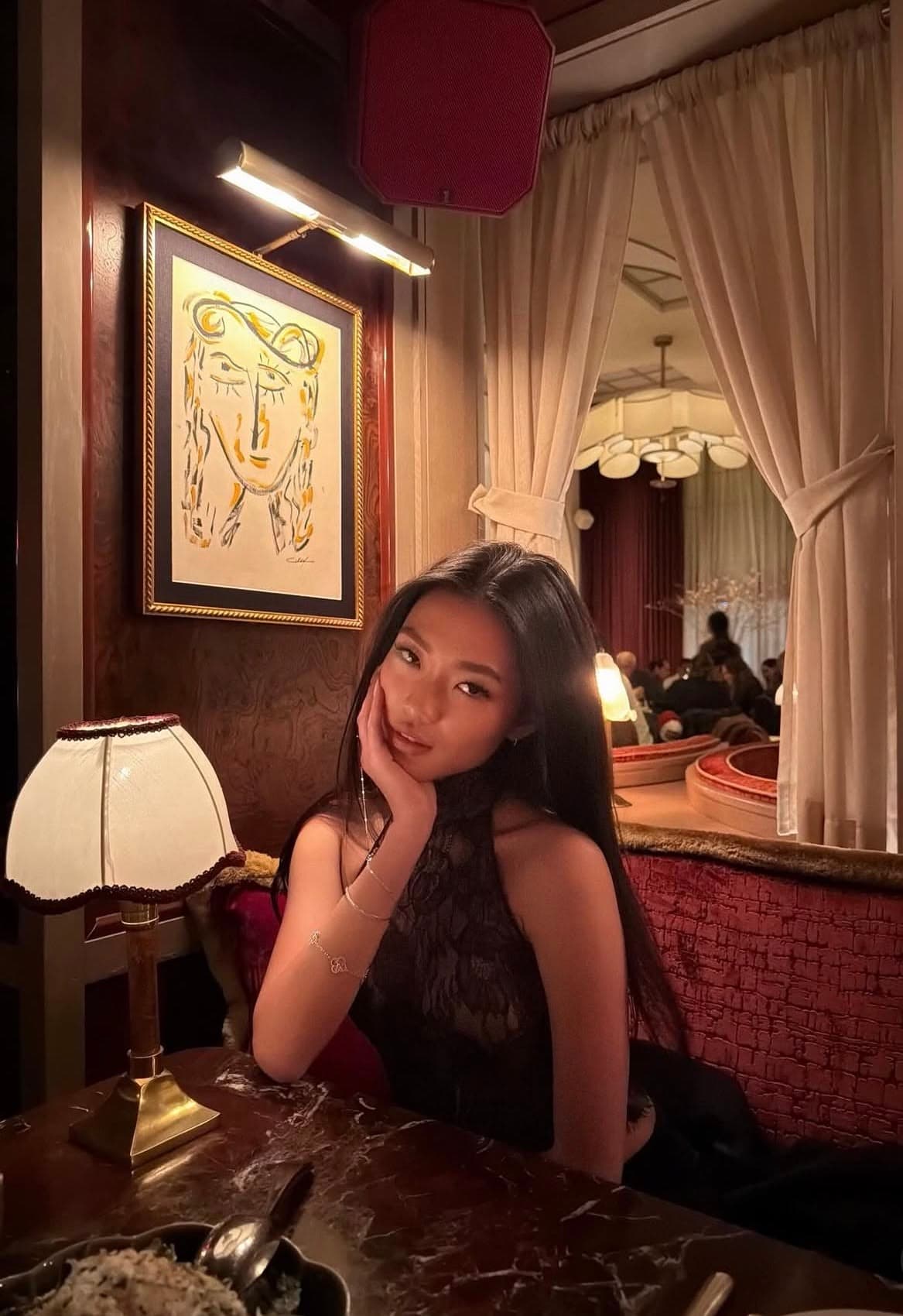
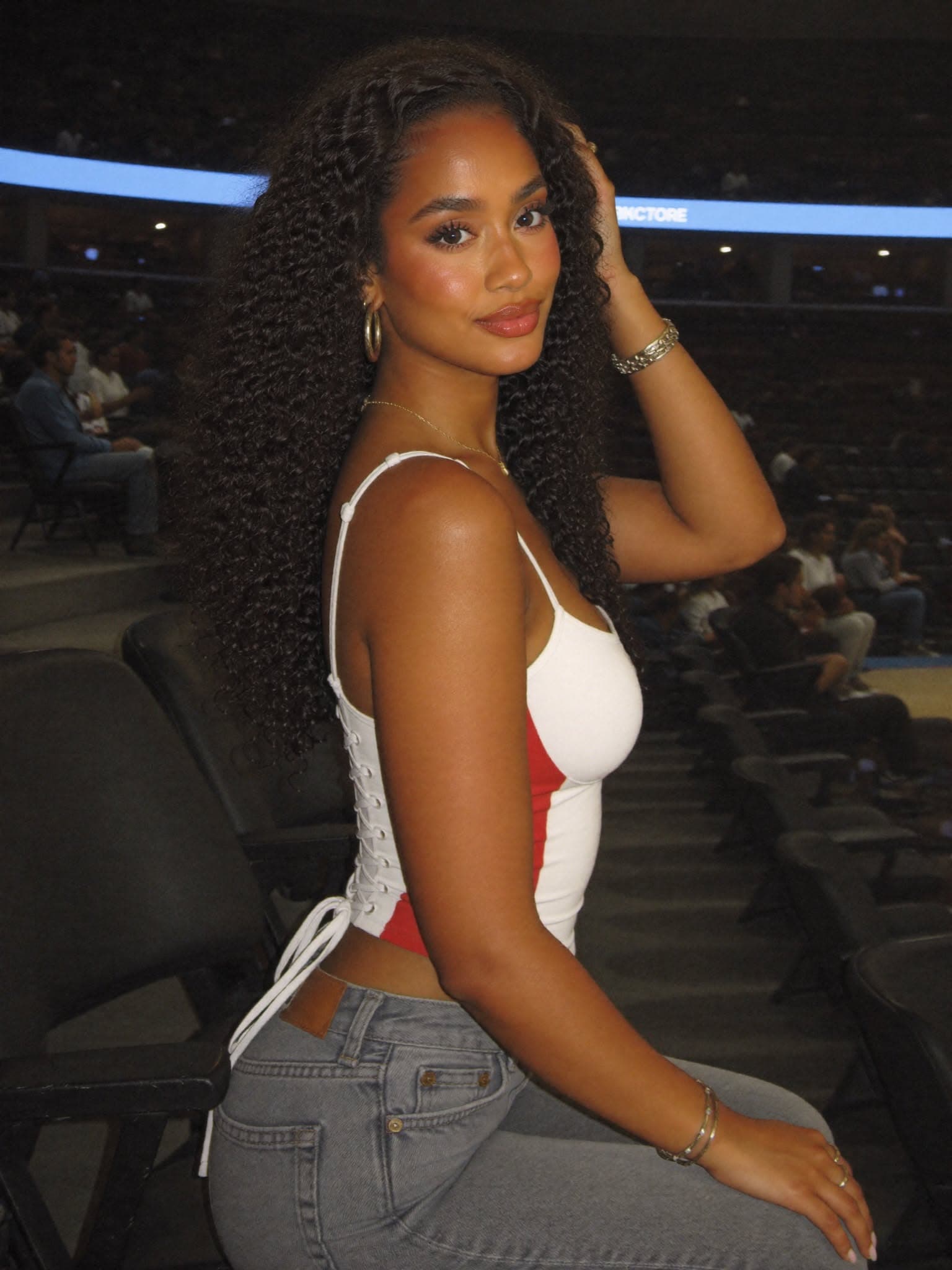
A posed photo shows her what you want to look like. A candid photo shows her what an afternoon with you looks like. The second is the one she can picture herself in, which is why a plain, slightly imperfect photo of you mid-conversation often does more than the sharp studio shot you paid for.
If your best-looking photos are not getting the response you expected, the problem is usually not your face. It is that the photos read as a headshot and she is looking for a person.
What she is actually reading
She is not rating the photo as a photograph. She is working out whether you are someone she would enjoy being around, and she has a second or two to decide.
A posed photo answers a different question. Straight to camera, chin set, shoulders squared, held still. It says you know how to look at a lens. A candid photo answers the question she actually has, because it shows you looking at something or someone, reacting, laughing, in the middle of a day.
Why posed shots can backfire
A posed photo is not bad. A single clean one is useful. The trouble comes from relying on it.
It looks like an advertisement. When every photo has the same stiff stance and the same flat light, she starts to wonder what the posing is covering. It also looks like effort, and effort aimed at her reads as trying too hard before the first word has been sent. Worst of all, it tells her nothing new. Five posed photos give her one piece of information five times.
What makes a photo read as a moment
Three things do most of the work.
You are doing something. Cooking, walking a dog, setting up a tent, arguing over a board game. The activity gives her something to ask about, and it fills in a life.
Your attention is somewhere else. Looking at the thing, the person, the view, not the camera. Attention that is not aimed at her is what makes the picture feel unstaged.
The frame has some air in it. A little of the room, the street, or the trail around you. A tight crop on a face is a headshot no matter how casual the outfit is.
Notice that none of these require a good camera. They require a moment and someone to catch it.
How to get a candid photo without hiring anyone
You need one friend, a phone, and about twenty minutes.
- Pick an activity you would be doing anyway. A walk, a coffee, a hike, a game night. Do not invent a reason to be outside.
- Ask your friend to shoot a burst, not a pose. Tell them to keep taking photos while you talk, move, or laugh. Fifty frames is normal.
- Give them a job to do. Ask them to tell a bad story while you listen. A real laugh happens when someone is actually saying something funny, and a request to "smile naturally" never produces one.
- Keep the camera at eye level or slightly below. Photos shot from above flatten the face and shrink the shoulders.
- Shoot in daylight. Soft light near a window or outside in the morning or late afternoon beats any flash.
When you scroll through the results, ignore the ones where you look good in the usual way. Look for the ones where you look interested. Those are the keepers.
The fake candid
A man can stage a candid so carefully that it becomes a posed photo wearing casual clothes. The laugh at nothing, the stare off into the distance, the salad he is pretending to enjoy. She can usually tell, and it lands worse than an honest posed shot because it adds a small dishonesty on top.
The test is simple. Did the situation exist without the camera? If you were really hiking, the photo can be real. If you only went to the overlook for the picture, it will look like it.
Keep one posed shot, and put it first or last
Candid does not mean throwing away the clean photo. You still want one clear, well-lit picture where she can see your face properly, because that is the photo that proves who you are.
Make it the first or last in the set, and let the candid ones carry the middle. The clear photo handles the question of what you look like. The others handle the more important question of what you are like.
Check the set before you upload
Lay your photos out and ask three things. Does at least one show you doing something? Does at least one show you with your attention elsewhere? Could a stranger guess what you do on a weekend?
If the answer to any of those is no, the set is still an ad. Spend one afternoon with a friend and a phone, and replace the weakest photo with the best frame from the burst.
Written by Matthew Stevens, Co-Founder & Head Coach. More than half a decade coaching men across the US and worldwide.
Everything here comes out of real coaching work: the approaches, dates, texts and profiles we go through with the men we coach.